Commercial roof replacement in metro Atlanta
A flat roof wears differently from a sloped one. Water sits instead of running off, the membrane takes the full Georgia sun all day, and every rooftop unit, drain and parapet is a joint that can open. When patches stop holding, the answer is usually a new system, and the membrane is only the top of it.
Under the membrane sit the cover board, the insulation and the deck. Around it are the places most leaks start: curbs, drains, skylights, parapets and roof edges. A replacement scope should answer three questions: what is failing, what can stay, and which roof assembly fits this building.
Signs the roof needs replacing
Ponding that does not drain
Water still standing days after rain needs an explanation: blocked drains, poor slope or crushed insulation. It also ages the membrane fast.
Seams and laps opening up
Once seams start separating across the roof, repairs only chase the next one.
Wet insulation
Soft, spongy areas underfoot mean water is already inside the system. Wet insulation loses its R-value and adds weight.
Blisters, cracks and bare spots
On modified bitumen, lost granules and alligatored surfaces show the membrane is near the end.
Leaks and repair bills that keep coming back
One puncture can be patched. Leaks in several places, or the same leak after each repair, point to a roof-wide problem.
Big building work ahead
New rooftop HVAC, a change of use, a purchase or a lease turnover is a good time to check the roof and set a replacement budget.
TPO, PVC or modified bitumen
The right membrane depends on the building, what sits on the roof and how long you plan to own it. No one system is best for every roof, so we walk you through the trade-offs at the site visit.
TPO
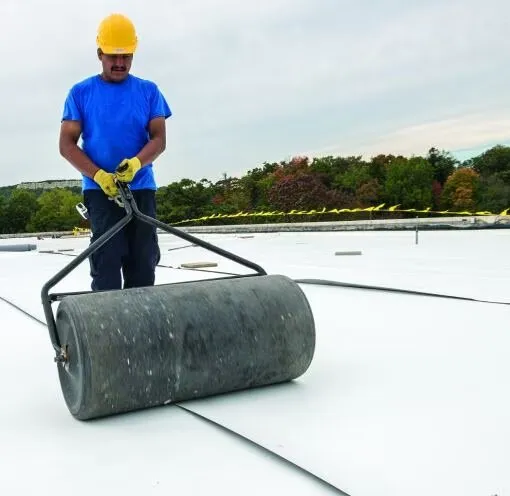
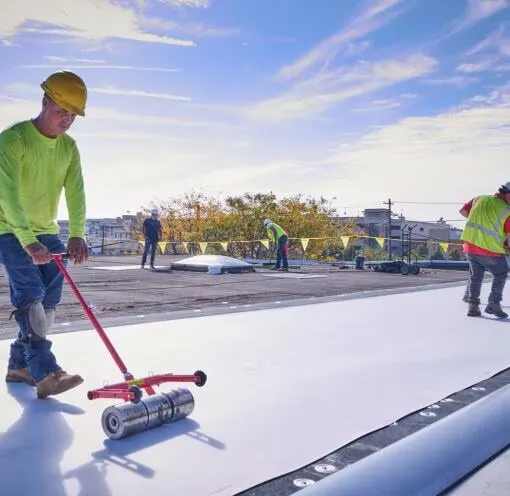
GAF EverGuard TPO. A heat-welded single-ply membrane, often white to reflect sun, though energy savings depend on the whole assembly. Ask whether it will be fastened or adhered, and what that means for the deck and wind uplift.
PVC
GAF EverGuard PVC. Also heat-welded single-ply. It can suit roofs exposed to grease or some chemicals, such as restaurant exhaust, once compatibility is checked.
Modified bitumen
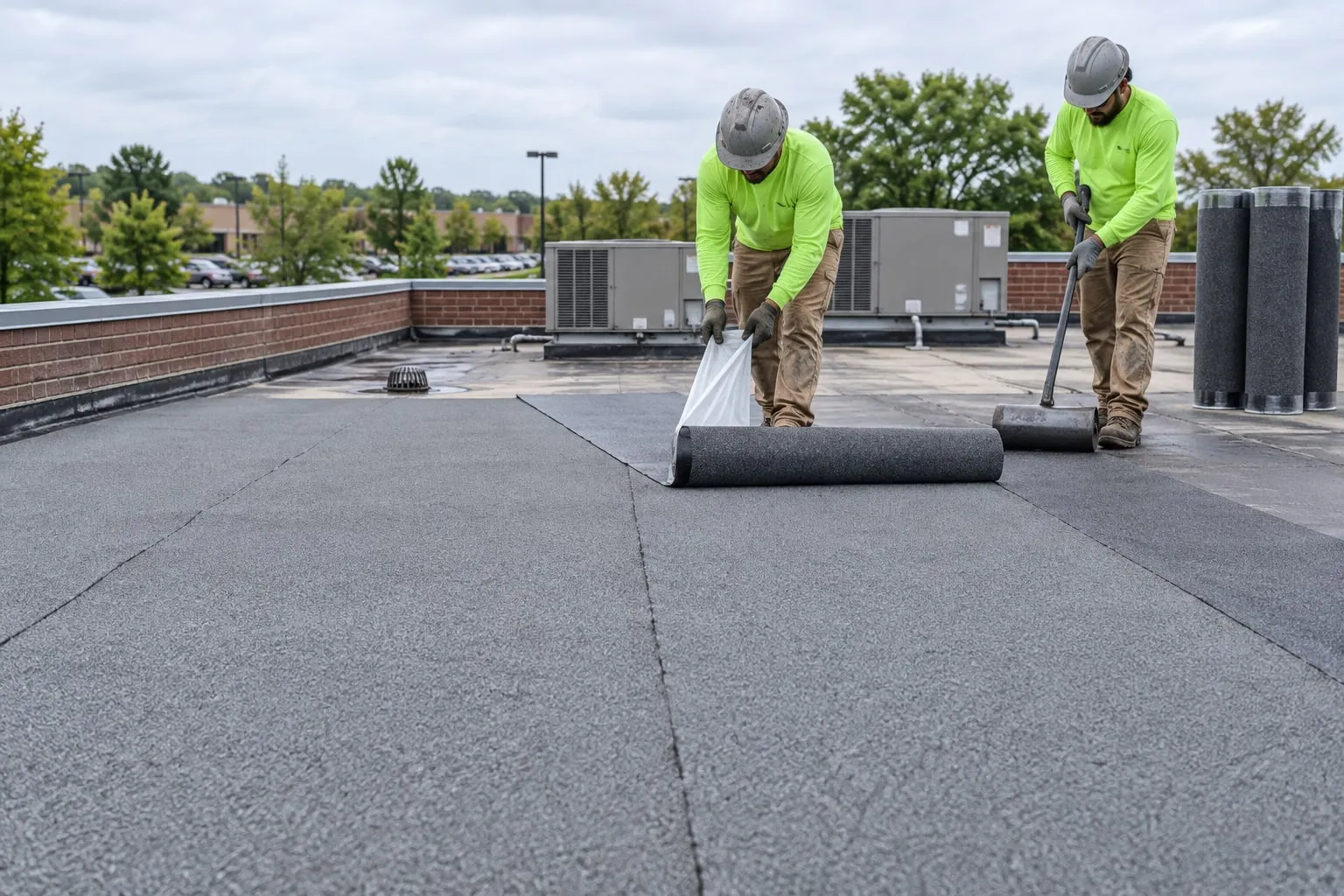
GAF RUBEROID. Asphalt-based membranes built up in layers, which take foot traffic well. The right product and install method depend on the deck and the existing roof.
Recover or full tear-off?
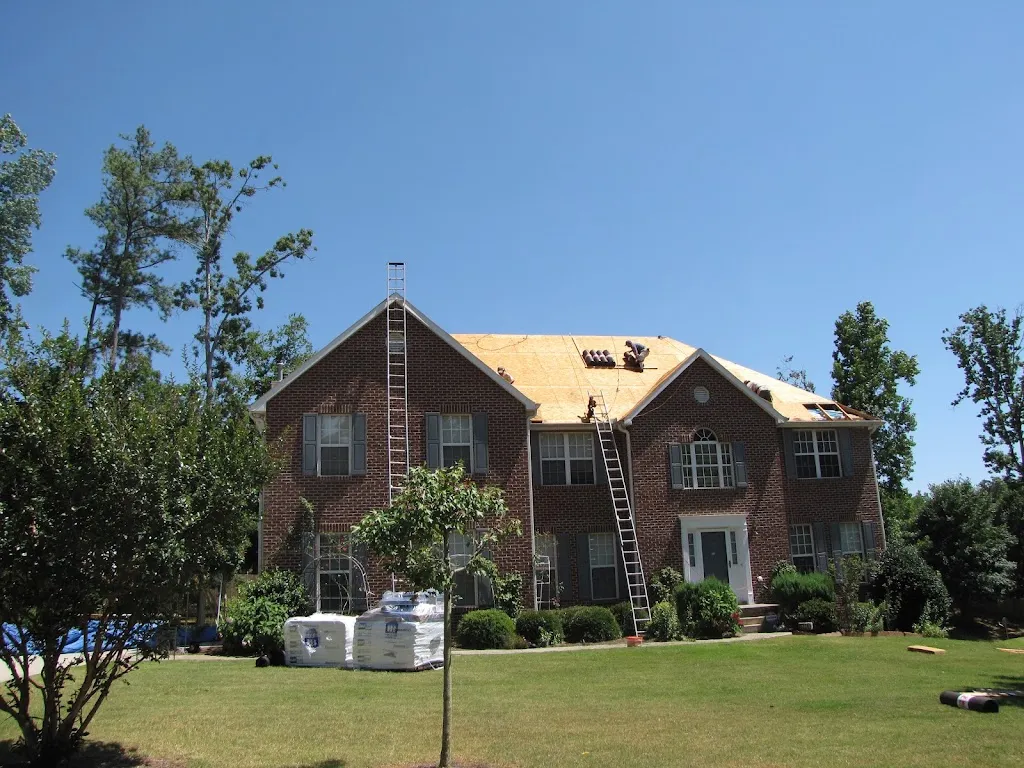
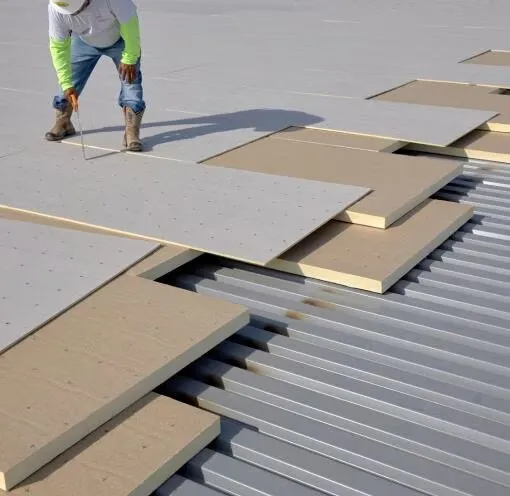
A tear-off removes the old roof so the deck and everything under it can be checked and fixed. A recover puts a new system over the existing roof and can save removal and disposal, but only where the roof qualifies. That depends on how many roofs are already there, whether the insulation is wet, the condition of the deck, the code, wind-uplift and fire requirements, and the manufacturer’s specs for the new system.
An intact surface is not enough to go on. Core cuts and a roof survey show what is underneath, and wet or unsuitable roofing comes off instead of being covered over. The scope says which approach we recommend and why.
Working around your business
Many buildings stay in use during a replacement, but that depends on the building, the scope, safety and weather. We agree the plan before work starts.
Phased by section
The phasing and daily weather protection are set out in the scope, based on the roof and the forecast.
Scheduled with you
Noisy work, deliveries and crane lifts planned around your hours, tenants, entrances and parking.
Clear contacts
Agreed up front: who gets progress updates, who approves changes and who signs off at closeout.
What drives the cost
A price per square foot leaves out most of what moves a commercial bid: existing layers and tear-off, wet insulation and deck repairs, the membrane and insulation design, rooftop equipment and drains, access, and phasing. Two bids with the same total can specify very different roofs, so compare the written scopes line by line.
GAF certification and commercial guarantees
Hill Top has worked from Smyrna since 2008 and is a GAF Certified residential roofing contractor. That certification covers residential roofing. It does not make a commercial roof eligible for a GAF guarantee.
Commercial guarantees depend on the exact products, the approved assembly, the installation and the contractor’s eligibility. Ask which manufacturer guarantee, if any, the system in your proposal qualifies for, and read the guarantee document itself before you sign.